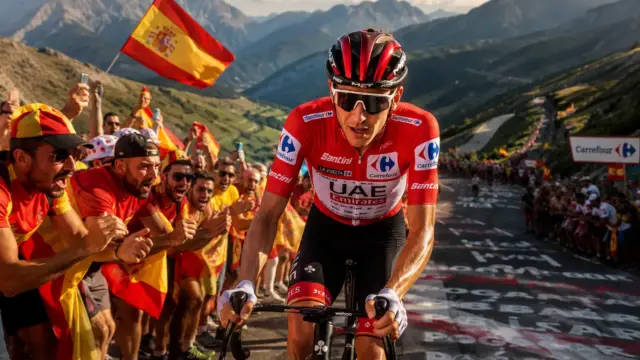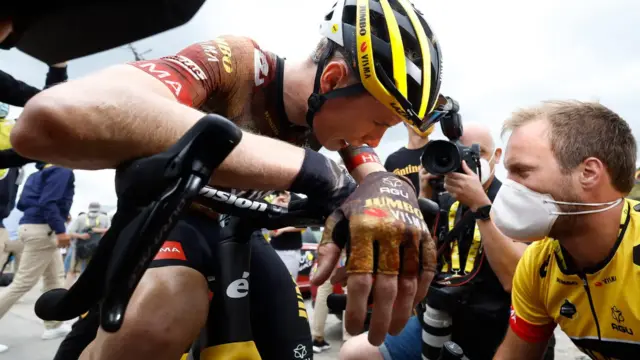

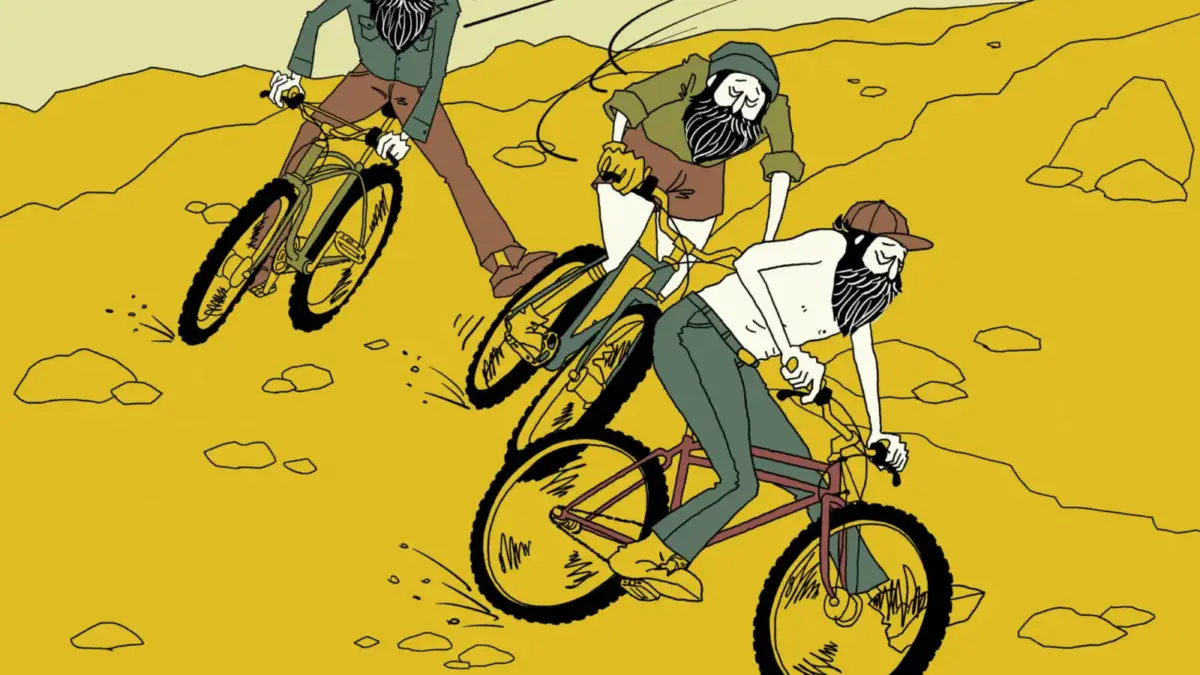
Pelotoncyklisterna i Tour de France, på en sidogatuscafé med en espresso i handen, eller på väg nerför en okänd landsväg i en snygg kavaj. Det är Uncle Rinne – en figur där cykeln alltid är i centrum. Bakom den skäggprydda karaktären finns den Tokyo-baserade illustratören och formgivaren Tetsuro Ohno, som skapade Uncle Rinne 2021.
En enkel maskin med oändliga möjligheter
Ohno har cyklat i 48 år, men ber man honom förklara varför cykeln har en sådan dragningskraft finns inget enkelt svar. Han har helt enkelt aldrig övervägt att sluta. I stället talar han om cykelns unika frihet: möjligheten att röra sig i gånghastighet eller i nästan motorcykelfart, att anpassa maskinen efter egna behov och att njuta av den som föremål i sig.
– Bland alla sätt att förflytta sig är cykeln förmodligen den enklaste maskinen. Friheten i hastigheten är unik. Du kan anpassa den, du kan äga den och uppskatta den. Det är ett redskap med charm, berättar Ohno.
Under åren har han provat landsväg, bana, grus och bikepacking – och fascineras av hur många olika världar som ryms inom ett och samma fordon.
Del gentleman, del hippie, del filosof
Uncle Rinne är en karaktär som rör sig naturligt mellan olika cykelstilar och subkulturer. Hans illustrationer bär på referenser till cykelhistoria, motståndskultur, mode och religion. En kafébild kan handla om konsten att sakta ner; en ensam cyklist på en landsväg kan bära på tankar om frihet. Ohno beskriver sin arbetsprocess som ett flöde av nyfikenhet där olika intressen möts och befruktar varandra.
– Kultur, religion, filosofi, design, musik och vardagsliv hänger ihop. Att tänka på det leder till frågor om hur man lever ett meningsfullt liv, säger han.
Karaktärens namn, Rinne, är hämtat från ett buddhistiskt begrepp kopplat till återfödelse och kretslopp. Men Ohno har medvetet omformat begreppet: i hans tolkning handlar det inte om att fastna i ett evigt hjul, utan om att fortsätta framåt – att röra sig utan att stanna.
Kaffe, Tokyo och konsten att ströva
Kaffe är, vid sidan av cykeln, ett av Ohnos stora kärleksobjekt. Han ser likheter mellan de två kulturerna: båda är vardagliga och samtidigt lyxiga; båda ger ett tillfälle att rensa tankarna.
I Tokyo, där han bor, kan cykling verka omöjlig för en utomstående i en stad av den storleken. Men Ohno menar att staden faktiskt blir mer lättnavigerad ju närmare centrum man kommer, med bredare gator och fler parker. Dessutom finns den japanska traditionen Rinko – att ta bort hjulen, packa ner cykeln i en väska och ta den med sig på tåget för att sedan montera ihop den på destinationen. Med Tokyos enorma tågnät öppnar sig på så sätt en helt annan karta.
Från tävlingsbana till lugna stigar
Ohnos son tävlar i landsvägs- och bancykling, och det har förändrat hur konstnären betraktar sporten. Han som tidigare följde de stora loppen – Tour de France och proffskalendern i stort – har börjat se skönheten i studenttävlingar och gräsrotslopp. De har sin egen dramatik och sina egna problem, och de avslöjar hur olika cykling uppfattas i olika länder.
Japan har en komplex cykelkultur: Keirin-disciplinen uppfanns där, landet är hemvist för Shimano – en av cykelindustrins mest inflytelserika aktörer – och landets rambyggartradition respekteras världen över. Ändå, ju mer Ohno lär sig om tävlingscykling, desto mer lockas han i motsatt riktning.
– Ju mer jag vet om racing, desto mer ökar charmen av långsam cykelresan inom mig, konstaterar han.
En illustration är aldrig bara en illustration
Innan Ohno blev illustratör arbetade han som produktdesigner med uppgiften att ta fram saker som kunde förändra världen. Uncle Rinne är inte ute efter att lösa ett specifikt problem – snarare låter karaktären idéer röra på sig och koppla samman.
När Ohno började publicera Uncle Rinne-illustrationer på Instagram dröjde det inte länge innan följare från andra länder dök upp. I dag har kontot följare i mer än 60 länder.
– Människor som cyklar förstår satir, stilfulla scener och andra element, nästan överallt i världen, säger han.
Ohno funderar fortfarande på fred, miljöproblem och trafik – och på kvantmekanisk sammanflätning och negativ förmåga, om man frågar djupare. Men en sak förblir konstant: cykeln.
– Jag är inte så ung längre, så jag kommer att fortsätta cykla för min hälsa. Och det handlar inte bara om den fysiska hälsan, utan även om den mentala, avslutar Ohno.
Stockholmscyklister känner säkert igen känslan – att trampa sig fri, oavsett om det är längs Södermalms kullerstensgator eller ut mot Ekerö på en ledig lördag.
Uncle Rinne – Instagram
https://www.instagram.com/uncle_rinne
Uncle Rinne – Officiell webbplats
The peloton cyclists in Tour de France, at a side street café with an espresso in hand, or riding down an unknown country road in a stylish blazer. This is Uncle Rinne – a character where the bicycle is always at the center. Behind the bearded character is Tokyo-based illustrator and designer Tetsuro Ohno, who created Uncle Rinne in 2021.
A Simple Machine with Endless Possibilities
Ohno has been cycling for 48 years, but if you ask him to explain why the bicycle has such a pull, there is no simple answer. He has simply never considered stopping. Instead, he speaks about the bicycle’s unique freedom: the ability to move at walking pace or at almost motorcycle speed, to customize the machine to suit your own needs, and to enjoy it as an object in itself.
– Among all ways of traveling, the bicycle is probably the simplest machine. The freedom in speed is unique. You can adapt it, you can own it and appreciate it. It is a tool with charm, Ohno explains.
Over the years, he has tried road, track, gravel, and bikepacking – and is fascinated by how many different worlds fit within one and the same vehicle.
Part Gentleman, Part Hippie, Part Philosopher
Uncle Rinne is a character who moves naturally between different cycling styles and subcultures. His illustrations carry references to cycling history, counterculture, fashion, and religion. A café scene can be about the art of slowing down; a lone cyclist on a country road can carry thoughts about freedom. Ohno describes his working process as a flow of curiosity where different interests meet and fertilize each other.
– Culture, religion, philosophy, design, music, and everyday life are interconnected. Thinking about this leads to questions about how to live a meaningful life, he says.
The character’s name, Rinne, is taken from a Buddhist concept linked to rebirth and cycles. But Ohno has deliberately reshaped the concept: in his interpretation, it is not about getting stuck in an eternal wheel, but about continuing forward – to move without stopping.
Coffee, Tokyo, and the Art of Wandering
Coffee is, alongside the bicycle, one of Ohno’s great loves. He sees similarities between the two cultures: both are everyday and yet luxurious; both provide an opportunity to clear your mind.
In Tokyo, where he lives, cycling may seem impossible to an outsider in a city of that size. But Ohno argues that the city actually becomes easier to navigate the closer you get to the center, with wider streets and more parks. Moreover, there is the Japanese tradition Rinko – removing the wheels, packing the bicycle into a bag, and taking it with you on the train to reassemble it at your destination. With Tokyo’s enormous train network, an entirely different map opens up.
From Racing Track to Quiet Trails
Ohno’s son competes in road and track cycling, and this has changed how the artist views the sport. He who previously followed the major races – Tour de France and the professional calendar in general – has begun to see the beauty in student competitions and grassroots races. They have their own drama and their own challenges, and they reveal how cycling is perceived differently in different countries.
Japan has a complex cycling culture: the Keirin discipline was invented there, the country is home to Shimano – one of the cycling industry’s most influential players – and the country’s frame-building tradition is respected worldwide. Yet, the more Ohno learns about competitive cycling, the more he is drawn in the opposite direction.
– The more I know about racing, the more the charm of slow bike touring grows within me, he observes.
An Illustration is Never Just an Illustration
Before Ohno became an illustrator, he worked as a product designer with the task of creating things that could change the world. Uncle Rinne is not trying to solve a specific problem – rather, the character lets ideas move and connect.
When Ohno began publishing Uncle Rinne illustrations on Instagram, it did not take long before followers from other countries appeared. Today, the account has followers in more than 60 countries.
– People who cycle understand satire, stylish scenes, and other elements, almost everywhere in the world, he says.
Ohno still ponders peace, environmental problems, and traffic – and quantum mechanical entanglement and negative capability, if you ask deeper. But one thing remains constant: the bicycle.
– I am not so young anymore, so I will continue cycling for my health. And it is not just about physical health, but also mental health, Ohno concludes.
Stockholm cyclists will surely recognize the feeling – pedaling yourself free, whether along Södermalm’s cobblestone streets or out towards Ekerö on a lazy Saturday.
Uncle Rinne – Instagram
https://www.instagram.com/uncle_rinne